Frequently Asked Questions About Solar Installation
Clear answers to help homeowners and businesses make informed decisions about solar energy.
Solar installation is a long-term investment, and it’s important to understand how systems work, what to expect during installation, and how solar integrates with BC Hydro. These frequently asked questions address common concerns for residential and commercial properties across Vancouver Island, helping you make confident, informed decisions about solar energy.
Solar installation costs vary depending on system size, equipment selection, and property characteristics. Most residential systems are designed based on your annual electricity usage. A solar assessment provides accurate system sizing and cost information tailored to your property.
Solar production depends on system size, roof orientation, and environmental factors. Systems on Vancouver Island are designed based on annual BC Hydro usage to provide reliable long-term energy production and offset electricity costs.
Yes. Solar systems generate electricity year-round, including on cloudy days. While production is higher in summer, systems are designed based on annual output to ensure reliable performance in Vancouver Island conditions.
When solar production is lower than your energy usage, your property automatically draws electricity from BC Hydro. Grid-tied systems ensure seamless access to electricity at all times.
Excess electricity is exported to BC Hydro through the net metering program. These energy credits help offset electricity usage when your system produces less power.
Solar panels typically last 25–30 years or longer. Inverters and other electrical components also provide long-term reliable operation when properly installed and maintained.
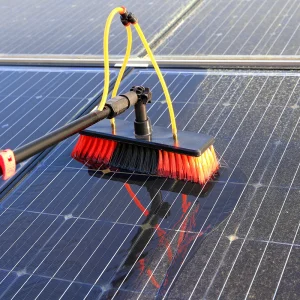
Solar systems require minimal maintenance. Periodic inspection and occasional cleaning help ensure optimal performance, particularly in areas with environmental debris or tree coverage.
Yes. Solar systems can be installed on commercial properties to reduce operating costs, improve energy stability, and support long-term financial planning.
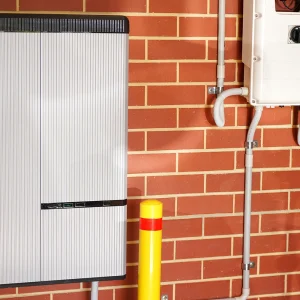
Yes. Hybrid systems allow battery storage to be added either during installation or later. Batteries provide backup capability and improve energy independence.
Most residential installations are completed within a few days once permits are approved. Commercial installations vary depending on system size and complexity.
Solar installations are considered a long-term property improvement. Many property owners view solar as an investment in energy stability and reduced operating costs.
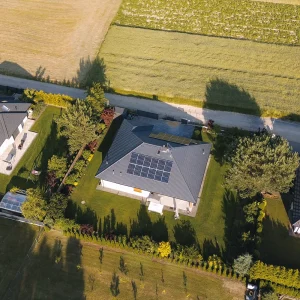
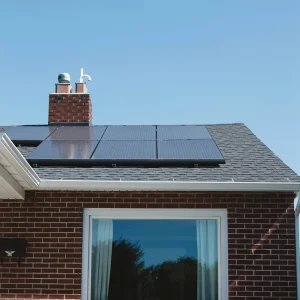
Most properties with adequate roof space and minimal shading are suitable for solar. A professional assessment evaluates your property and energy usage to determine the best system design.
Still Have Questions?
Every property and energy situation is different. If you have questions about solar installation, system options, or whether solar is right for your home or business, our team is here to help. We’ll provide clear, practical answers so you can make an informed decision.