

Commercial Peak-Load Shaving
Reduce peak demand and improve long-term energy cost stability.
Commercial peak-load shaving uses solar and battery storage to reduce the amount of electricity your business draws from the grid during periods of highest demand. Many commercial electricity costs are influenced not only by total energy usage, but also by peak demand levels. By generating and storing energy on-site, businesses can reduce peak demand and improve long-term energy cost predictability.
Peak-load shaving systems are designed to integrate with your building’s electrical infrastructure and energy usage patterns. These systems provide a practical solution for managing operational costs while improving energy control and reliability. Proper system design ensures your business benefits from consistent performance and scalable energy management.
Peak demand refers to the highest level of electricity usage reached during a given period. Utility providers often consider peak demand when determining electricity costs for commercial properties.
Reducing peak demand can help stabilize energy costs and improve overall energy efficiency.
Solar and battery systems help offset peak demand by supplying stored or generated energy when usage is highest.
Solar panels generate electricity during the day, while battery storage allows excess energy to be stored and used during high-demand periods. This reduces the amount of electricity drawn from the grid when demand is highest.
This helps improve energy management and reduces reliance on utility power during peak usage periods.
Peak-load shaving systems provide several important advantages for commercial properties.
These include:
-
Improved energy cost control
-
Reduced reliance on utility power
-
Greater energy management flexibility
-
Long-term operational stability
These systems help businesses plan and manage energy usage more effectively.
Each peak-load shaving system is designed based on your building’s electrical usage patterns, infrastructure, and operational requirements. Proper system design ensures compatibility and reliable performance.
These systems integrate with existing electrical infrastructure and can be scaled as needed.
Solar and battery systems used for peak-load shaving are designed for long-term operation and minimal maintenance. Monitoring systems ensure reliable performance and allow ongoing visibility into system operation.
Proper installation ensures dependable performance over time.
Improve Energy Control for Your Business
Request a solar assessment to learn how peak-load shaving can reduce energy costs and improve long-term stability for your commercial property.
Why Go Solar?
Numerous advantages for property owners


Take the next step toward reliable, long-term energy for your home or business. Contact us today.
Latest Resources
Check out the latest articles from Aurum Solar.

Solar Incentives and Net Metering in British Columbia
Introduction Solar systems in British Columbia benefit from utility programs that allow property owners to export excess solar energy and receive credit. BC Hydro’s net metering program makes solar a practical long-term investment by improving the financial return of solar installations. Understanding how these programs work helps homeowners and businesses make informed decisions about solar…
Does Solar Increase Home Value on Vancouver Island?
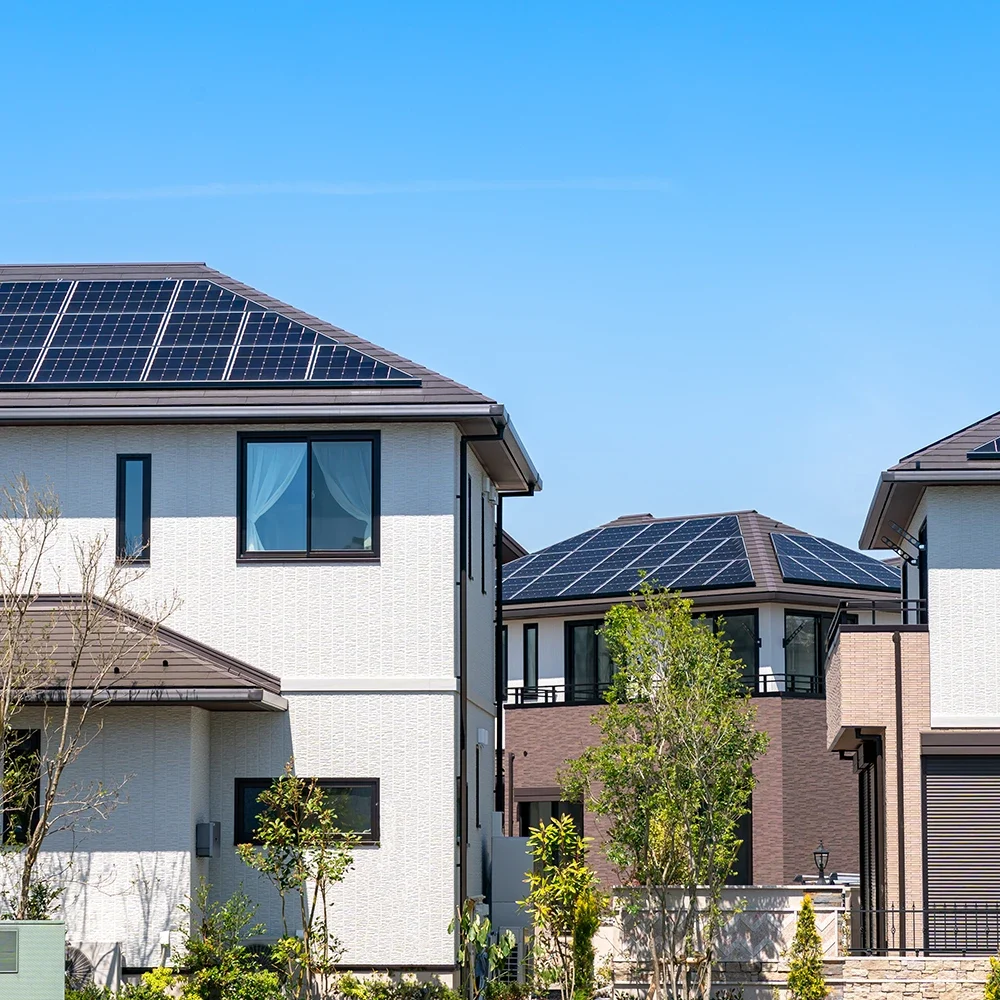
Introduction Solar installations are widely recognized as a long-term property improvement that can increase home value and improve market appeal. On Vancouver Island, where electricity costs and energy awareness continue to grow, solar systems are increasingly seen as a valuable feature for residential properties. In addition to reducing electricity costs, solar provides long-term energy production,…
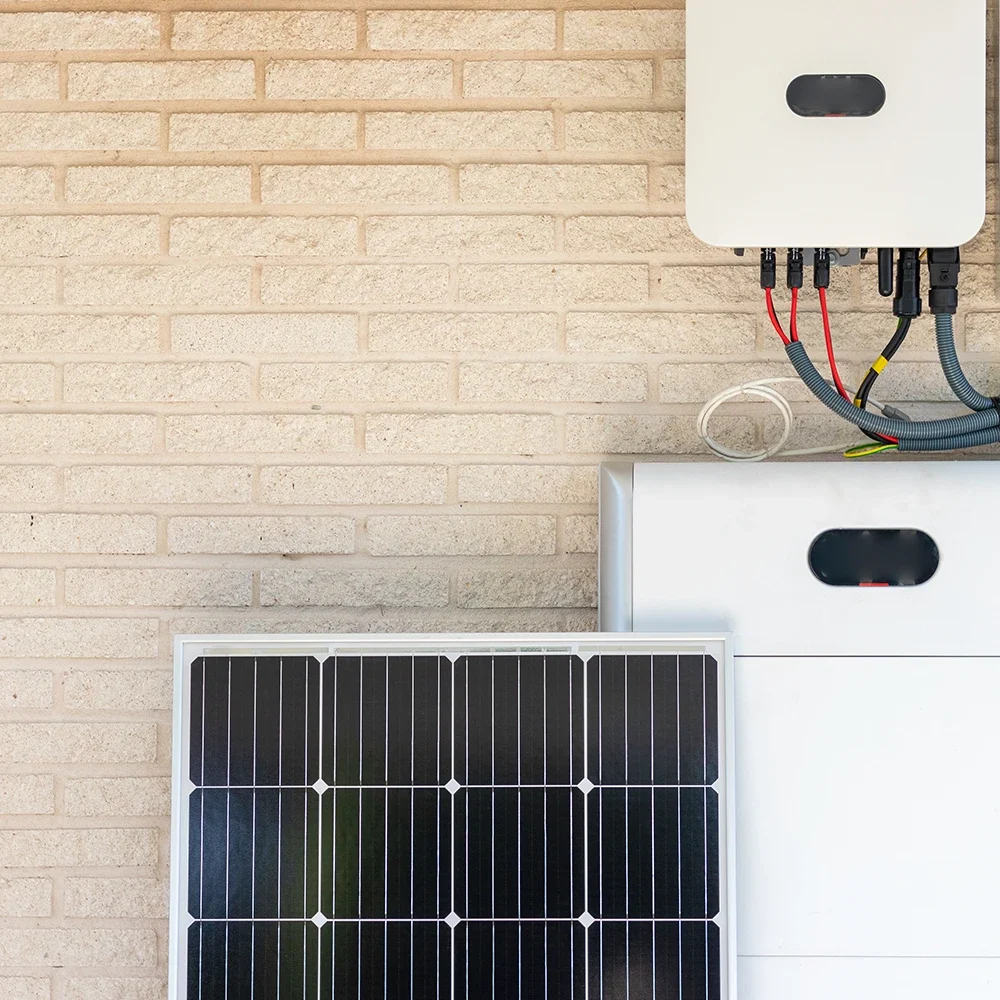
Hybrid Solar and Battery Installation in Cumberland, BC – 12.6 kW System with Battery Storage
Project Overview This residential installation in Cumberland included both solar panels and battery storage to provide backup capability and improved energy independence. The homeowner wanted a system that would reduce electricity costs while providing resilience during outages. System Design The system included: 30 Longi solar panels Sol-Ark hybrid inverter Volthium lithium battery system Fast Rack…
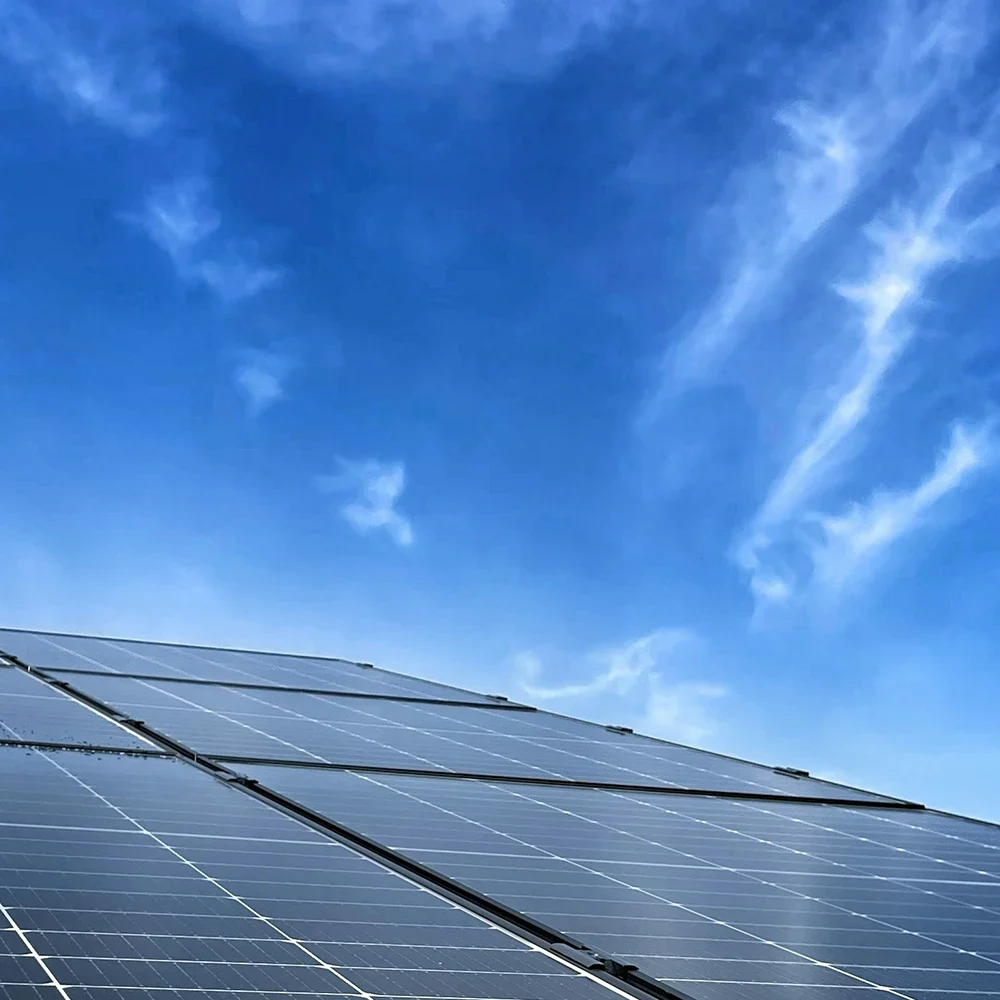
Commercial Solar Installation in Courtenay, BC – 28.7 kW System
Project Overview This commercial solar installation in Courtenay was designed to reduce operating costs and stabilize long-term energy expenses for a small business facility. The property had sufficient roof space to support a larger system capable of offsetting a significant portion of the building’s electricity usage. System Design The system included: 70 Longi solar panels…
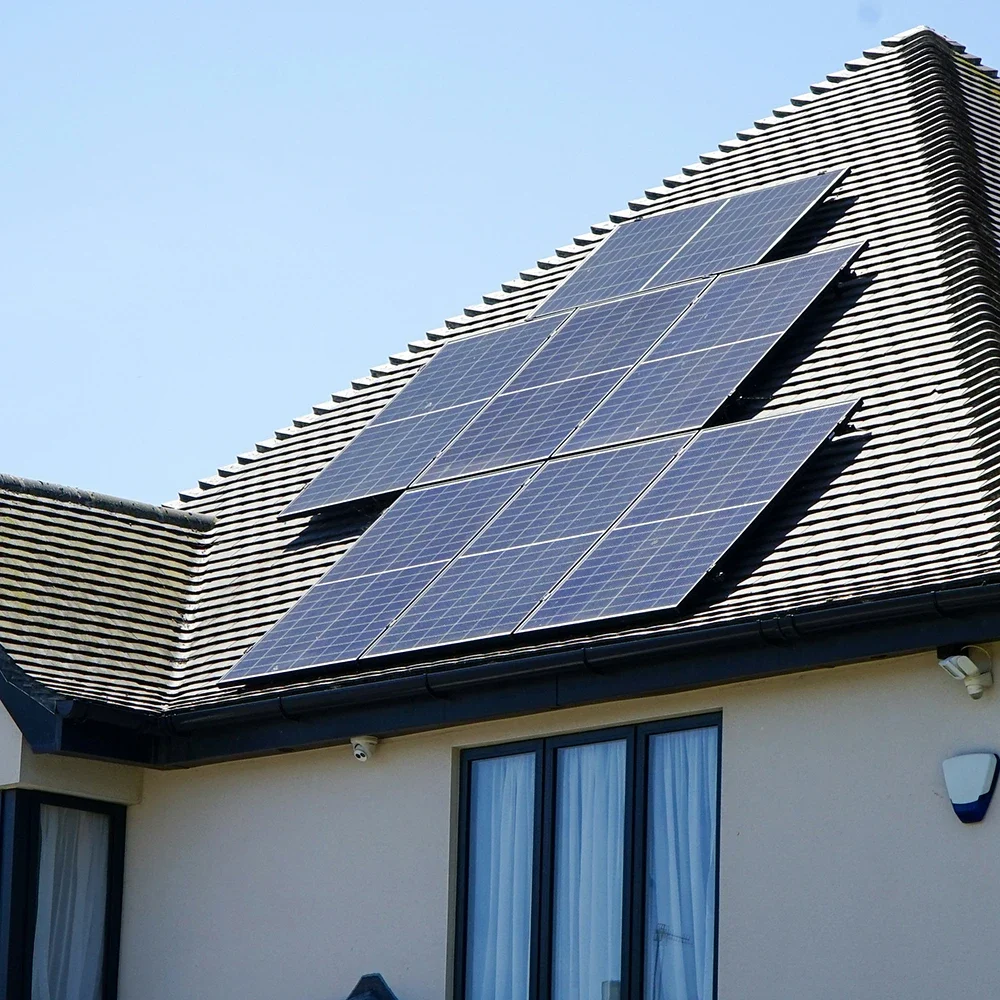
Residential Solar Installation in Comox, BC – 9.84 kW System
Project Overview This residential solar installation in Comox, BC was designed to reduce long-term electricity costs and offset the homeowner’s annual BC Hydro usage. The property featured a south-facing roof with minimal shading, making it well suited for solar energy production. The system was sized to match the homeowner’s annual electricity consumption while allowing flexibility…
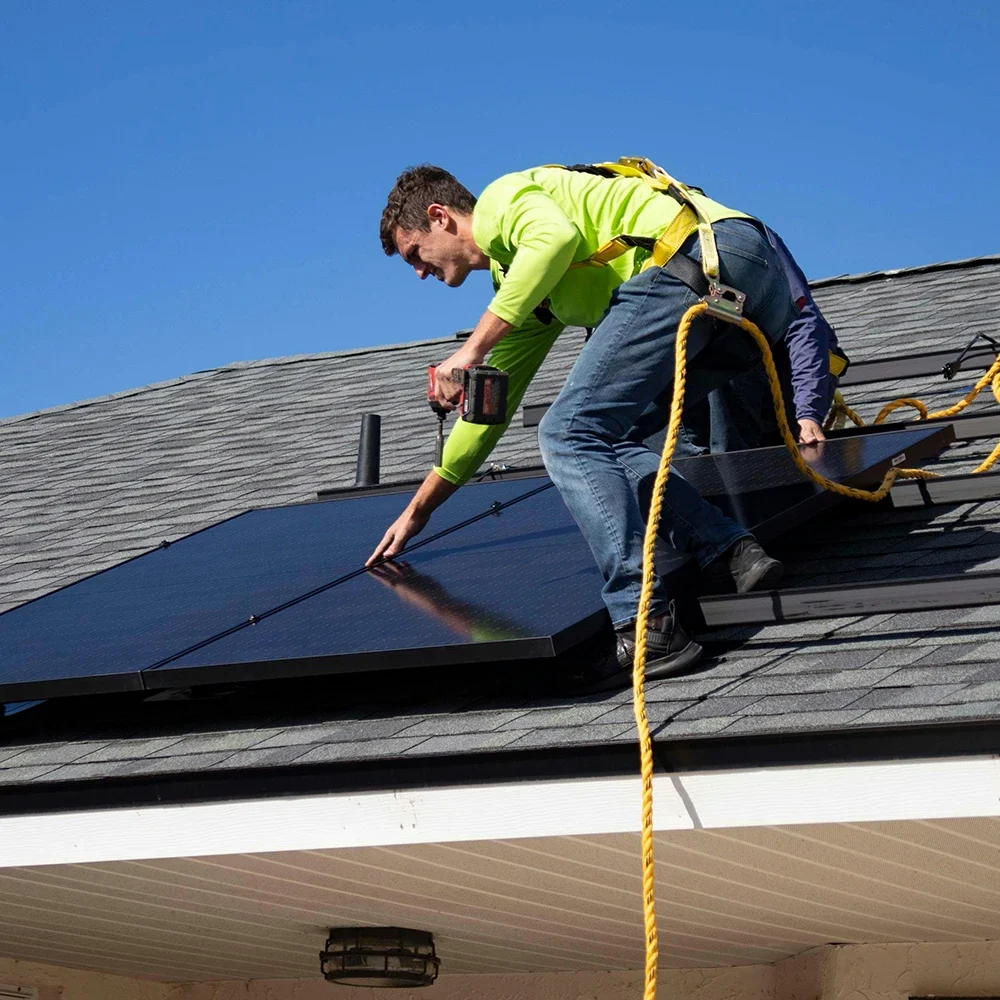
Solar Maintenance: How to Keep Your System Performing Long-Term
Introduction Solar systems are designed to operate reliably for decades with minimal maintenance. However, periodic inspection and cleaning help ensure your system continues performing safely and efficiently. Environmental factors such as dust, debris, and weather exposure can gradually affect performance over time. Proper maintenance helps protect your investment and ensures consistent energy production for homes…

What to Expect During a Solar Installation
Introduction Solar installation is a structured process designed to ensure your system operates safely, efficiently, and reliably for decades. For homeowners and businesses across Vancouver Island, the process includes assessment, system design, permitting, installation, inspection, and activation. Understanding each stage helps property owners prepare and ensures a smooth transition to solar energy. Step 1: Solar…

Solar Batteries Explained: When Energy Storage Makes Sense
Introduction Solar battery storage allows homes and businesses to store excess energy generated by solar panels for later use. Instead of sending unused electricity back to the grid, batteries hold that energy and make it available when solar production is low or when utility power is unavailable. While not every solar system requires batteries, energy…
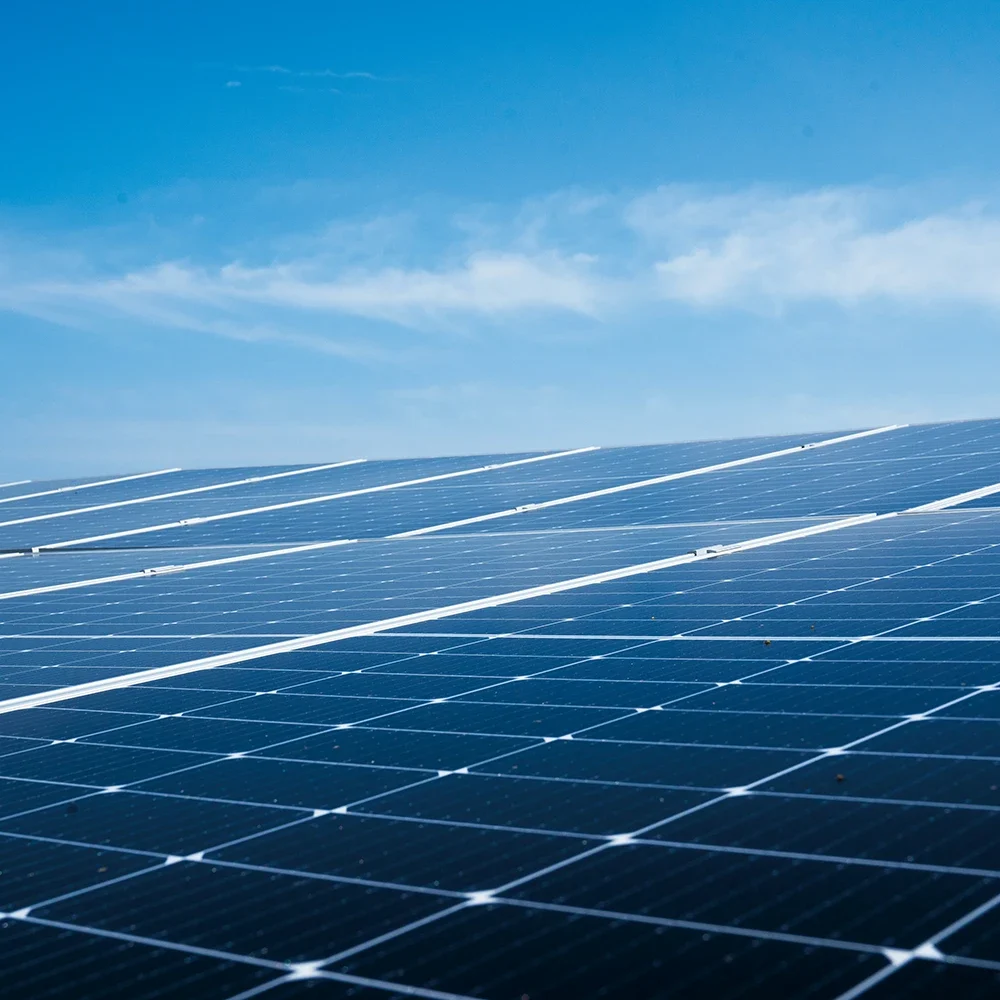
Grid-Tied vs Hybrid vs Off-Grid Solar: What’s the Difference?
Introduction Solar systems can be configured in different ways depending on your property, energy goals, and whether you want to remain connected to the utility grid. The three primary system types are grid-tied, hybrid, and off-grid. Each serves a different purpose and offers unique advantages. Understanding these system types helps homeowners and businesses across Vancouver…

How Much Solar Do You Need? Why BC Hydro Usage Is Critical
Introduction The most important factor in designing a solar system is your BC Hydro usage history. Your electricity consumption determines how large your system should be, how much energy it will produce, and how effectively it can offset your utility costs. Without accurate usage data, solar systems can be undersized, oversized, or fail to deliver…

How Solar Works on Vancouver Island: A Practical Overview
Introduction Solar energy systems convert sunlight into usable electricity for your home or business. On Vancouver Island, solar can provide reliable, long-term energy despite seasonal weather variations. Modern solar systems are designed to work efficiently in coastal climates and integrate directly with BC Hydro, allowing property owners to reduce electricity costs and improve energy independence.…