Grid-Tied vs Hybrid vs Off-Grid Solar: What’s the Difference?
Introduction
Solar systems can be configured in different ways depending on your property, energy goals, and whether you want to remain connected to the utility grid. The three primary system types are grid-tied, hybrid, and off-grid. Each serves a different purpose and offers unique advantages.
Understanding these system types helps homeowners and businesses across Vancouver Island choose the most practical and reliable solar solution for their needs.
Grid-Tied Solar Systems
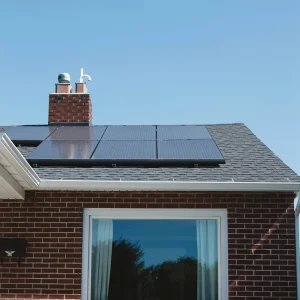
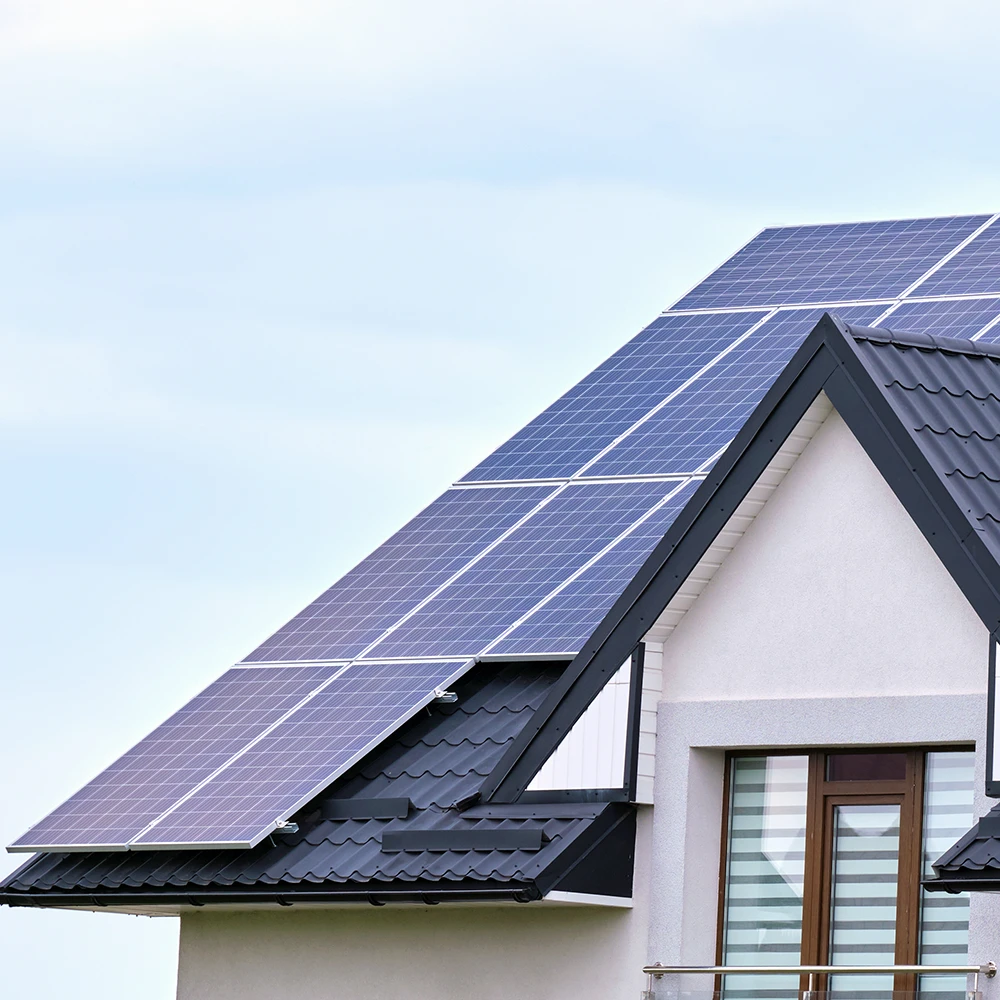
Grid-tied solar systems are the most common type of installation. These systems remain connected to BC Hydro and do not include battery storage.
During the day, solar panels generate electricity that powers your home or business directly. If your system produces more electricity than you need, the excess energy is exported to the grid and credited to your BC Hydro account.
When solar production is lower, such as at night, electricity is automatically drawn from the grid.
Advantages of grid-tied systems
-
Lowest installation cost
-
Highest efficiency
-
Simplest system design
-
Seamless integration with BC Hydro
-
Minimal maintenance requirements
Grid-tied systems are ideal for most residential and commercial properties with reliable utility service.
Hybrid Solar Systems
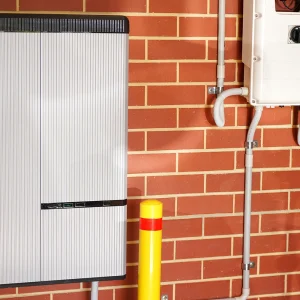
Hybrid solar systems combine solar panels with a hybrid inverter, allowing battery storage to be added either immediately or in the future.
These systems operate similarly to grid-tied systems but provide additional flexibility and energy control.
Hybrid systems allow you to:
-
Store excess energy in batteries
-
Use stored energy during outages
-
Reduce reliance on the grid
-
Add battery storage later if needed
This makes hybrid systems a future-ready option for property owners who want flexibility without committing to batteries immediately.
Off-Grid Solar Systems
Off-grid systems operate independently and are not connected to BC Hydro or any utility provider.
These systems require battery storage to ensure reliable power when solar production is low or unavailable.
Off-grid systems are commonly used for:
-
Remote homes
-
Cabins
-
Rural properties
-
Locations without utility access
Because they must supply 100% of the property’s electricity needs, off-grid systems typically require larger battery capacity and careful system design.
Key Differences Between System Types
Each system type offers a different balance of cost, independence, and complexity.
Grid-Tied Systems
-
Connected to BC Hydro
-
No batteries required
-
Lowest cost option
-
Most common system type
Hybrid Systems
-
Connected to BC Hydro
-
Battery-ready or battery-enabled
-
Greater flexibility and resilience
-
Higher initial investment
Off-Grid Systems
-
No utility connection
-
Fully independent operation
-
Requires battery storage
-
Used primarily in remote locations
Which System Type Is Best for Vancouver Island Properties?
For most homes and businesses on Vancouver Island, grid-tied or hybrid systems provide the best balance of performance, reliability, and cost.
Grid-tied systems are typically ideal when:
-
Utility service is reliable
-
Backup power is not a priority
-
Lowest upfront cost is preferred
Hybrid systems are often recommended when:
-
Backup capability is desired
-
Future battery integration is planned
-
Energy independence is a priority
Off-grid systems are best suited for properties without access to utility infrastructure.
Equipment Considerations
System type also affects equipment selection.
Grid-tied systems commonly use:
-
Microinverters or string inverters
-
Standard solar panels
-
Monitoring systems
Hybrid systems use:
-
Hybrid inverters
-
Battery-compatible equipment
-
Optional battery storage
Off-grid systems require:
-
Battery banks
-
Specialized inverters
-
Backup energy planning
Choosing the right equipment ensures long-term reliability and system performance.
Long-Term Flexibility and Planning
Many property owners choose hybrid systems to preserve the option of adding battery storage later. This approach allows solar installation now while maintaining flexibility for future upgrades.
Proper system design ensures compatibility and scalability as energy needs evolve.
Conclusion
Grid-tied, hybrid, and off-grid solar systems each serve different purposes depending on your property and goals. Grid-tied systems provide efficient, cost-effective energy generation, hybrid systems offer flexibility and battery readiness, and off-grid systems provide complete energy independence.
Selecting the right system type ensures reliable performance, efficient energy production, and long-term value.
Share this Resource
Further Reading
Why Go Solar?
Numerous advantages for property owners


Take the next step toward reliable, long-term energy for your home or business. Contact us today.