How Solar Works on Vancouver Island: A Practical Overview
Introduction
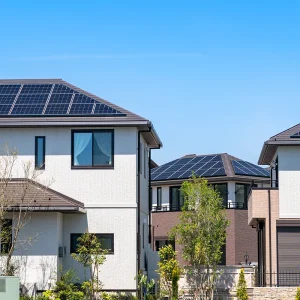
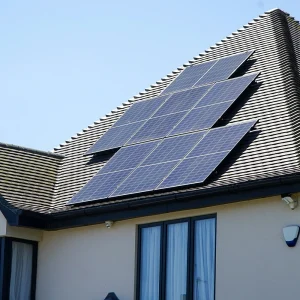
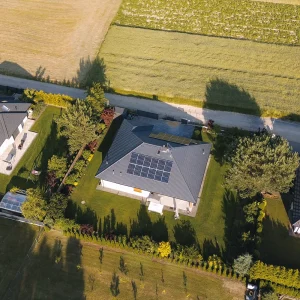
Solar energy systems convert sunlight into usable electricity for your home or business. On Vancouver Island, solar can provide reliable, long-term energy despite seasonal weather variations. Modern solar systems are designed to work efficiently in coastal climates and integrate directly with BC Hydro, allowing property owners to reduce electricity costs and improve energy independence.
Understanding how solar works helps you make informed decisions about system size, equipment, and whether solar is the right investment for your property.
How Solar Panels Generate Electricity
Solar panels contain photovoltaic (PV) cells that convert sunlight into direct current (DC) electricity. These cells are made from semiconductor materials that produce electricity when exposed to sunlight.
Even on cloudy days, solar panels continue to generate power. While production may be lower than on clear days, Vancouver Island receives enough annual sunlight to support effective solar generation.
Key points:
-
Solar panels generate electricity whenever there is daylight
-
Direct sunlight increases production, but is not required
-
Modern panels are highly efficient and durable
-
Panels typically last 25–30+ years
How Solar Power Becomes Usable in Your Property
Electricity produced by solar panels must be converted into alternating current (AC) power, which is what your home or business uses.
This is done using inverters.
There are two primary inverter types used in solar installations:
Microinverters
-
Installed on each individual panel
-
Improve performance in partially shaded conditions
-
Provide detailed monitoring
String or hybrid inverters
-
Connect multiple panels together
-
Often used when battery storage is planned
-
Provide efficient and scalable system control
Once converted, electricity is supplied directly to your electrical panel and used immediately.
How Solar Works with BC Hydro
Most solar systems on Vancouver Island are grid-tied, meaning they remain connected to BC Hydro.
This provides two key advantages:
1. Solar powers your property first
When your system is producing electricity, your home or business uses that energy before drawing power from the grid.
2. Excess energy is sent to BC Hydro
If your system produces more electricity than you need, the excess energy is exported to the grid and credited to your account.
These credits help offset electricity usage at night or during lower production periods.
How Solar Performs Throughout the Year on Vancouver Island
Solar production varies by season due to daylight hours and weather patterns.
Typical seasonal production pattern:
-
Highest production: late spring through early fall
-
Moderate production: spring and fall
-
Lower production: winter months
However, systems are designed based on annual production, not daily or seasonal output. Over the course of a year, solar systems on Vancouver Island can generate significant amounts of electricity.
Factors that affect performance include:
-
Roof orientation and angle
-
Shading from trees or nearby structures
-
System size
-
Equipment quality
Optional: Adding Battery Storage
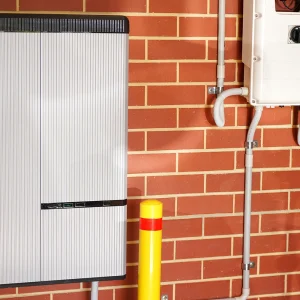
Solar batteries allow you to store excess energy for later use.
This can provide:
-
Backup power during outages
-
Increased energy independence
-
Greater control over energy usage
Not every system requires battery storage, but hybrid systems allow batteries to be added later if needed.
How Long Solar Systems Last
Solar systems are designed for long-term reliability.
Typical lifespan expectations:
-
Solar panels: 25–30+ years
-
Inverters: 10–20 years depending on type
-
Batteries (if installed): 10–15 years
Most systems continue producing electricity well beyond their warranty periods.
Is Solar a Good Fit for Vancouver Island Properties?
Solar is suitable for most residential and commercial properties across Vancouver Island, particularly those with:
-
Adequate roof space
-
Minimal shading
-
Consistent electricity usage
A professional solar assessment can determine system size, expected production, and overall feasibility.
Conclusion
Solar energy systems provide a reliable and practical way to generate electricity on Vancouver Island. By converting sunlight into usable power and integrating with BC Hydro, solar helps reduce electricity costs and improve long-term energy stability.
With modern equipment and proper system design, solar installations can provide decades of reliable performance for homes and businesses.
Share this Resource
Further Reading
Why Go Solar?
Numerous advantages for property owners


Take the next step toward reliable, long-term energy for your home or business. Contact us today.