What to Expect During a Solar Installation
Introduction
Solar installation is a structured process designed to ensure your system operates safely, efficiently, and reliably for decades. For homeowners and businesses across Vancouver Island, the process includes assessment, system design, permitting, installation, inspection, and activation.
Understanding each stage helps property owners prepare and ensures a smooth transition to solar energy.
Step 1: Solar Assessment and System Design
The first step is assessing your property and energy usage to determine the appropriate system size and configuration.
This includes reviewing:
-
BC Hydro usage history
-
Roof orientation and available space
-
Shading from trees or nearby structures
-
Electrical panel capacity
-
Equipment options and system layout
Based on this assessment, a custom system is designed to match your property and long-term energy goals.
Step 2: Permits and Utility Applications
Solar installations require permits and approvals to ensure compliance with electrical and safety regulations.
This typically includes:
-
Electrical permits through Technical Safety BC
-
Utility interconnection application with BC Hydro
-
Equipment and installation documentation
This stage ensures the system meets all safety and regulatory requirements before installation begins.
Step 3: Scheduling and Installation Preparation
Once permits are approved, installation can be scheduled.
Preparation may include:
-
Equipment delivery
-
Installation planning
-
Coordinating access to the electrical panel
-
Preparing mounting locations
Professional installers ensure all equipment is properly staged before work begins.
Step 4: Solar Panel and Equipment Installation
Installation typically takes one to several days depending on system size and complexity.
This stage includes:
-
Installing mounting hardware
-
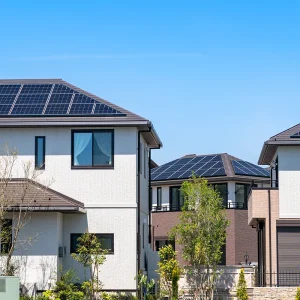
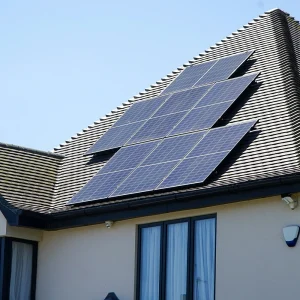
Securing solar panels to the roof or structure
-
Installing inverters and electrical equipment
-
Connecting system components
-
Integrating the system with your electrical panel
Installers follow strict safety and quality standards throughout the process.
Step 5: Electrical Inspection and Approval
After installation is complete, the system must be inspected and approved before activation.
Inspection ensures:
-
Electrical safety compliance
-
Proper installation
-
System readiness for operation
Once approved, the system can be activated.
Step 6: System Activation and Monitoring
After final approval, your solar system begins generating electricity.
At this point:
-
Solar panels begin producing power
-
Your property uses solar energy directly
-
Excess energy may be exported to BC Hydro
-
Monitoring systems allow performance tracking
Monitoring tools allow you to see how much energy your system produces and how it performs over time.
Typical Installation Timeline
Overall timeline varies depending on permitting and scheduling.
Typical ranges:
-
Assessment and design: a few days to a few weeks
-
Permits and approvals: varies depending on processing times
-
Installation: typically 1–3 days for residential systems
-
Inspection and activation: shortly after installation
Commercial and larger systems may require additional time.
What Property Owners Need to Do
Most of the installation process is handled by your solar installer.
Property owners typically need to:
-
Provide electricity usage information
-
Approve system design
-
Allow access for installation
-
Review system operation after activation
Professional installers manage permits, equipment, and installation.
Long-Term Operation After Installation
Once installed, solar systems operate automatically with minimal maintenance.
Solar panels generate electricity daily and continue performing reliably for decades.
Monitoring systems allow property owners to track performance and verify system operation.
Conclusion
Solar installation is a straightforward and well-managed process designed to ensure long-term system performance and safety. From assessment through activation, each step is structured to provide reliable, efficient solar energy for your home or business.
With proper design and professional installation, solar systems provide dependable energy production for many years.
Share this Resource
Further Reading
Why Go Solar?
Numerous advantages for property owners


Take the next step toward reliable, long-term energy for your home or business. Contact us today.