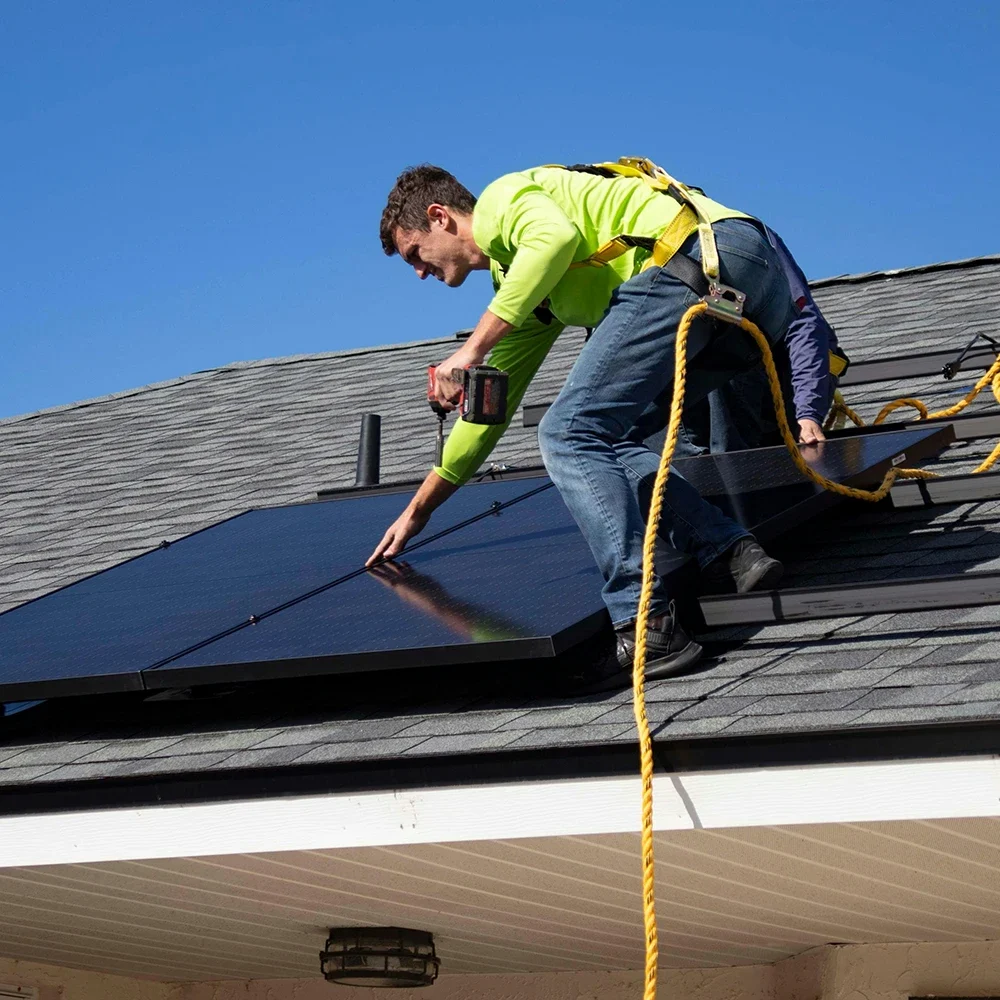
Solar Maintenance: How to Keep Your System Performing Long-Term
Introduction
Solar systems are designed to operate reliably for decades with minimal maintenance. However, periodic inspection and cleaning help ensure your system continues performing safely and efficiently. Environmental factors such as dust, debris, and weather exposure can gradually affect performance over time.
Proper maintenance helps protect your investment and ensures consistent energy production for homes and businesses across Vancouver Island.
How Much Maintenance Do Solar Systems Require?
Solar systems require significantly less maintenance than most other energy systems. Because solar panels have no moving parts, there is minimal mechanical wear.
Most systems operate reliably with only occasional inspection and cleaning.
Typical maintenance needs include:
-
Visual inspection of panels and equipment
-
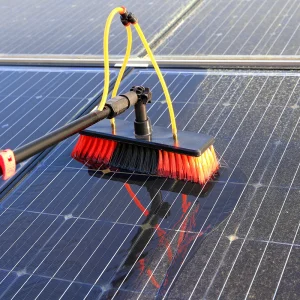
Cleaning debris or buildup from panel surfaces
-
Checking inverter operation
-
Monitoring system performance
Routine maintenance helps ensure optimal performance over the system’s lifespan.
Why Solar Panel Cleaning Matters
Solar panels produce electricity most efficiently when their surface is clean and unobstructed. Dirt, pollen, leaves, and debris can reduce energy production by blocking sunlight.
On Vancouver Island, environmental factors such as:
-
Tree debris
-
Moss or organic buildup
-
Coastal air exposure
-
Seasonal debris accumulation
can gradually affect panel performance.
Professional cleaning helps restore full production efficiency.
Monitoring System Performance
Modern solar systems include monitoring tools that allow you to track performance in real time.
Monitoring systems help identify:
-
Changes in production
-
Equipment issues
-
Unexpected performance drops
Reviewing system performance periodically ensures the system continues operating as expected.
If performance decreases unexpectedly, inspection may be recommended.
Inverter and Electrical Component Maintenance
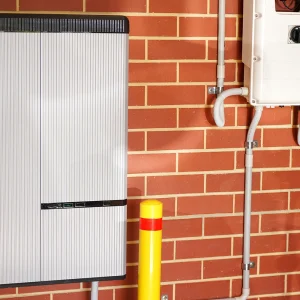
Inverters convert solar electricity into usable power for your property. These components are highly reliable but should be inspected periodically.
Inspection ensures:
-
Proper electrical connections
-
Normal system operation
-
No visible damage or wear
Most inverters operate reliably for many years, but periodic inspection helps ensure continued performance.
How Often Should Solar Systems Be Inspected?
Inspection frequency depends on location, environmental conditions, and system exposure.
Typical recommendations include:
-
Visual inspection annually
-
Cleaning as needed depending on debris buildup
-
Performance monitoring regularly
Systems installed in areas with heavy tree coverage or environmental exposure may benefit from more frequent inspection.
Signs Your Solar System May Need Maintenance
Solar systems typically operate silently and automatically. However, certain signs may indicate maintenance is needed.
These include:
-
Unexpected drop in energy production
-
Visible debris accumulation on panels
-
Monitoring alerts or system notifications
-
Physical damage or visible wear
If any of these occur, inspection is recommended.
Professional Maintenance vs Self-Maintenance
While basic visual checks can be performed safely from the ground, professional inspection ensures all system components are properly evaluated.
Professional maintenance provides:
-
Safe access to roof-mounted equipment
-
Thorough inspection of electrical components
-
Proper cleaning methods
-
Identification of potential issues
Professional service ensures system safety and reliability.
Long-Term Reliability of Solar Systems
Solar panels are designed to operate for 25–30 years or longer. Proper installation and occasional maintenance help ensure long-term performance.
Routine maintenance helps:
-
Protect system efficiency
-
Extend equipment lifespan
-
Maintain safe operation
-
Ensure consistent energy production
With proper care, solar systems provide reliable energy for decades.
Conclusion
Solar systems require minimal maintenance, but periodic inspection and cleaning help ensure optimal performance and long-term reliability. Environmental conditions and normal wear can affect performance over time, making routine maintenance an important part of protecting your investment.
Maintaining your system ensures consistent energy production and reliable operation for many years.
Share this Resource
Further Reading
Why Go Solar?
Numerous advantages for property owners


Take the next step toward reliable, long-term energy for your home or business. Contact us today.